Why Commercial & Industrial Solar PV Owners Must Keep Their Insurers Informed
Why Regular Inpections are important.
As more commercial and industrial businesses invest in solar photovoltaic (PV) systems to reduce energy costs and improve sustainability, many are unaware of an increasingly important requirement from insurance providers: regular inspection, testing, and thermal imaging surveys of their solar installations.
Failing to meet these requirements could potentially affect insurance cover in the event of a fault, fire, or system failure.
Insurance Companies Are Tightening Requirements
Solar PV systems are a valuable asset, but like any electrical installation, they require ongoing maintenance and inspection to ensure they remain safe and efficient throughout their operational life.
Many insurance companies are now requesting evidence that solar PV systems are being regularly inspected and tested in accordance with industry standards. Increasingly, insurers are also requiring thermal drone surveys of solar arrays to identify potential defects before they become serious problems.
One of the key concerns insurers are looking for is the presence of “hot spots” within solar panels or electrical connections.
What Are Hot Spots?
A hot spot is an area within a solar panel or associated electrical equipment that becomes excessively hot due to faults such as:
- Damaged or degraded cells
- Loose electrical connections
- Faulty bypass diodes
- Moisture ingress
- Manufacturing defects
- Uneven loading or shading issues
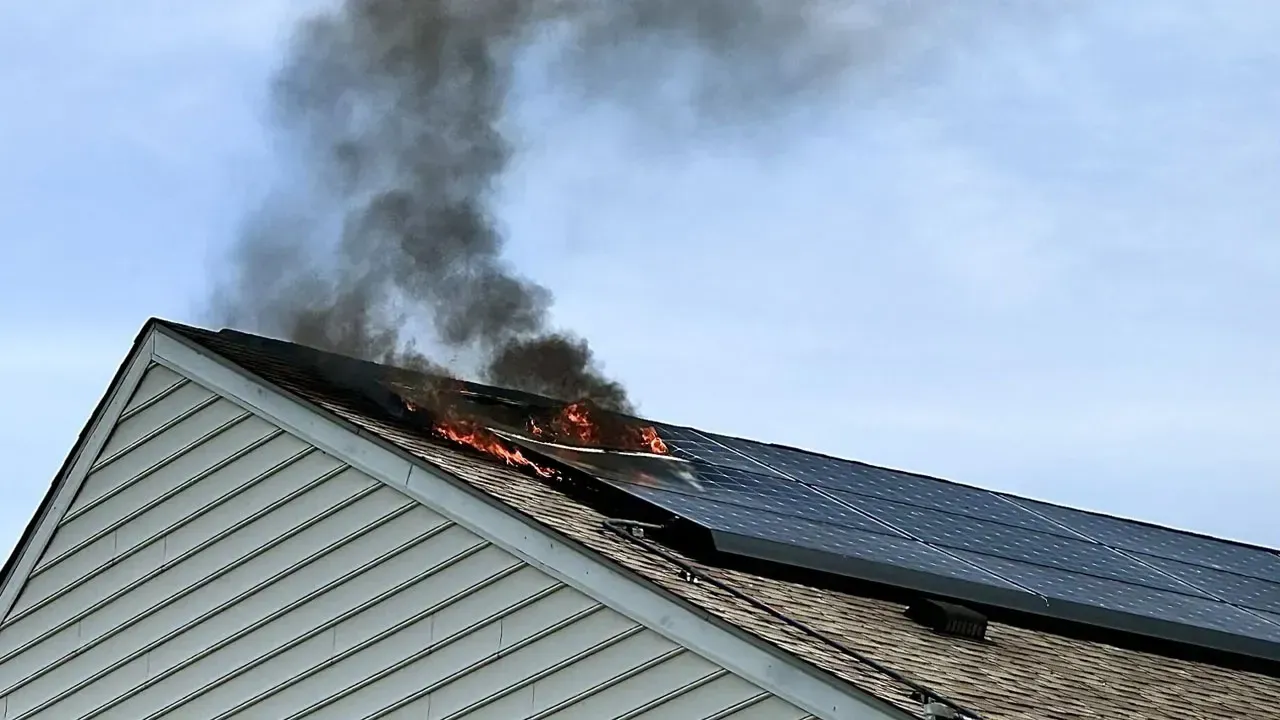
These hot spots can reduce system performance, accelerate component failure, and in severe cases create a significant fire risk.
Thermal imaging surveys carried out using drones allow these issues to be identified quickly, safely, and efficiently — particularly on large commercial rooftop installations where access may otherwise be difficult or disruptive.
The Importance of Regular Inspection & Testing
Routine inspection and testing of solar PV systems helps to:
- Maintain system efficiency and performance
- Identify faults before they escalate
- Reduce fire risk
- Demonstrate compliance with insurance requirements
- Extend the lifespan of the installation
- Protect business continuity and investment value
Testing should be carried out in accordance with the latest IET Code of Practice for Grid-Connected Solar Photovoltaic Systems, ensuring the installation remains compliant with recognised industry standards.
How BME Can Help
BME is well placed to support commercial and industrial clients with comprehensive solar PV inspection, testing, and thermal imaging services.
Our services include:
- Periodic inspection and testing of solar PV systems
- Electrical testing in accordance with IET guidance
- Thermal drone surveys of solar arrays
- Identification of hot spots and potential faults
- Detailed reporting suitable for insurers and compliance records
- Recommendations for remedial works where required
Using advanced thermal imaging technology and industry-approved inspection methods, BME can help businesses protect their solar investment, improve safety, and meet evolving insurance requirements.
Don’t Wait for a Problem to Occur
Many solar PV systems have now been in service for several years and may never have undergone a detailed thermal inspection or formal periodic test.
With insurers increasingly requesting documented evidence of maintenance and thermal imaging surveys, now is the ideal time to review your current inspection arrangements.
To discuss your solar PV inspection and testing requirements, contact BME today.